
Visual Tension in Bird Photography - How to Make Images Feel Alive

You know that feeling when a bird looks like it’s about to do something… and your brain leans forward? That’s visual tension. And it’s one of the quickest ways to turn a “nice bird photo” into an image that feels alive.
Visual tension isn’t mess or chaos. It’s controlled suspense. A little push-pull in the frame that makes your viewer stick around longer and wonder what happens next.
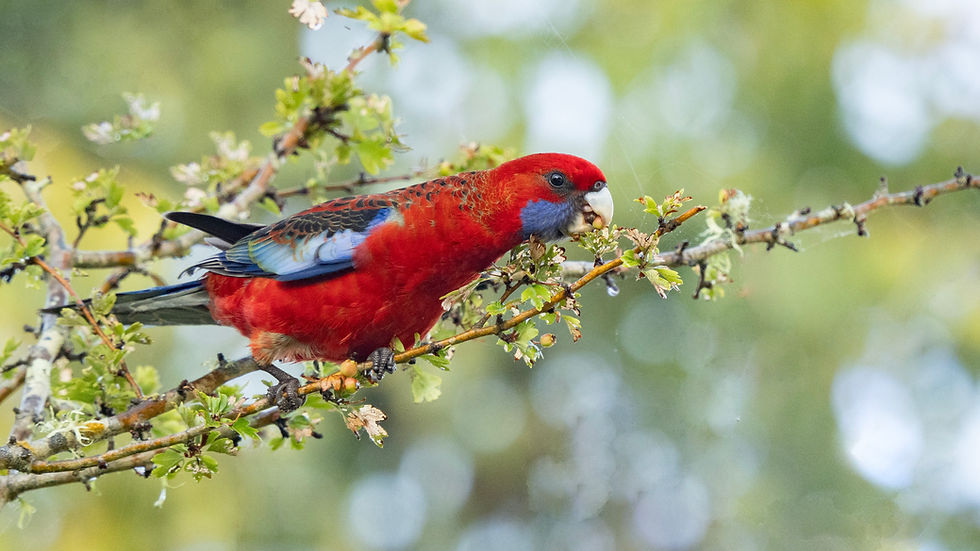
So… what is visual tension?
Visual tension is the sense of anticipation, imbalance, conflict or curiosity created by the elements in your photo.
In bird photography, it often shows up as:
A bird poised to launch (the pre-flight crouch, the “I’m thinking about it” lean)
Contrast: bright bird, moody background (or the reverse)
Interaction: with another bird, food, wind, waves, predators, nestlings
Negative space that hints at movement, isolation, vulnerability, or “something’s coming”
If your viewer feels like the moment is unfinished… perfect. They’ll keep looking.

Composition tricks that build tension fast
1) Leave “breathing room” (with intent)
Place the bird off-centre, then leave space in the direction it’s facing or moving.
Empty space becomes a question: Where’s it going? What’s it watching?
2) Use leading lines like a sneaky guide
Branches, reeds, shoreline curves, even light streaks can point the eye. Lines that converge toward the bird add pressure and focus.
3) Frame it… but don’t make it cosy
Shoot through leaves, grasses, branches, or gaps. Framing adds depth, and it can also create a feeling of peeking in. Viewer becomes the quiet observer. Tension rises.
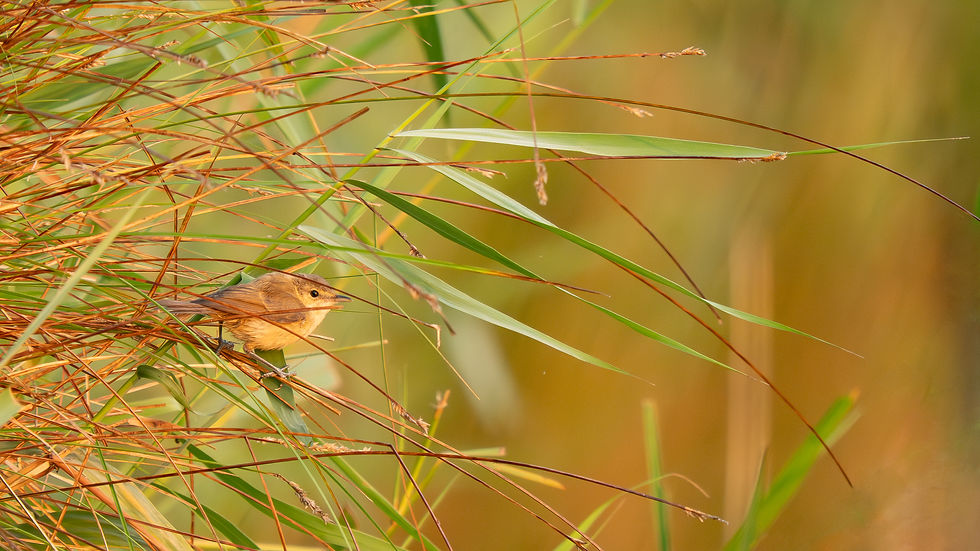
4) Contrast is your attention magnet
A clean subject-background separation is instant tension fuel. Look for:
bright-on-dark or dark-on-bright
warm light against cool shade
simple backgrounds that make the bird pop
Behaviour: the tension factory (birds do this for free)
If you want tension, stop chasing wings-out hero shots for a minute and watch for the before.
Pre-takeoff: crouch, lean, wings lifting, intense focus
Alert posture: tall stance, frozen body, head angle changes
Interactions: feeding, defending, begging, squabbles, “mine!” moments
Weather moments: wind-fluffed feathers, rain shake-offs, waves and spray
That’s story. That’s tension.

Lighting that adds drama (without getting theatrical)
Backlight: silhouettes, rim light, glow in feathers. Instant mystery.
Side light: texture + shadow = depth + mood.
Low light (dawn/dusk): softness can feel calm… or suspenseful, depending on shadows and contrast.

A quick field checklist
Next time you’re out, ask:
Is the bird looking into space (and can I leave some)?
Can I add one layer in the foreground for depth?
Is there contrast I can exploit (tone, colour, light)?
What’s the bird about to do, not just what it’s doing now?
Three tension setups to try on your next outing
A bird on the edge of a perch with space ahead. Takeoff pending.
A subject partly hidden by foliage with a clear eye and sharp focus. Peekaboo, but a little bit cinematic.
A raptor or heron in side light, watching. Stillness with intent.
Happy birding, and happy tension-building. The good kind 😄 xx Sonia


Comments